Possible Love - TIFF [2026]


Film
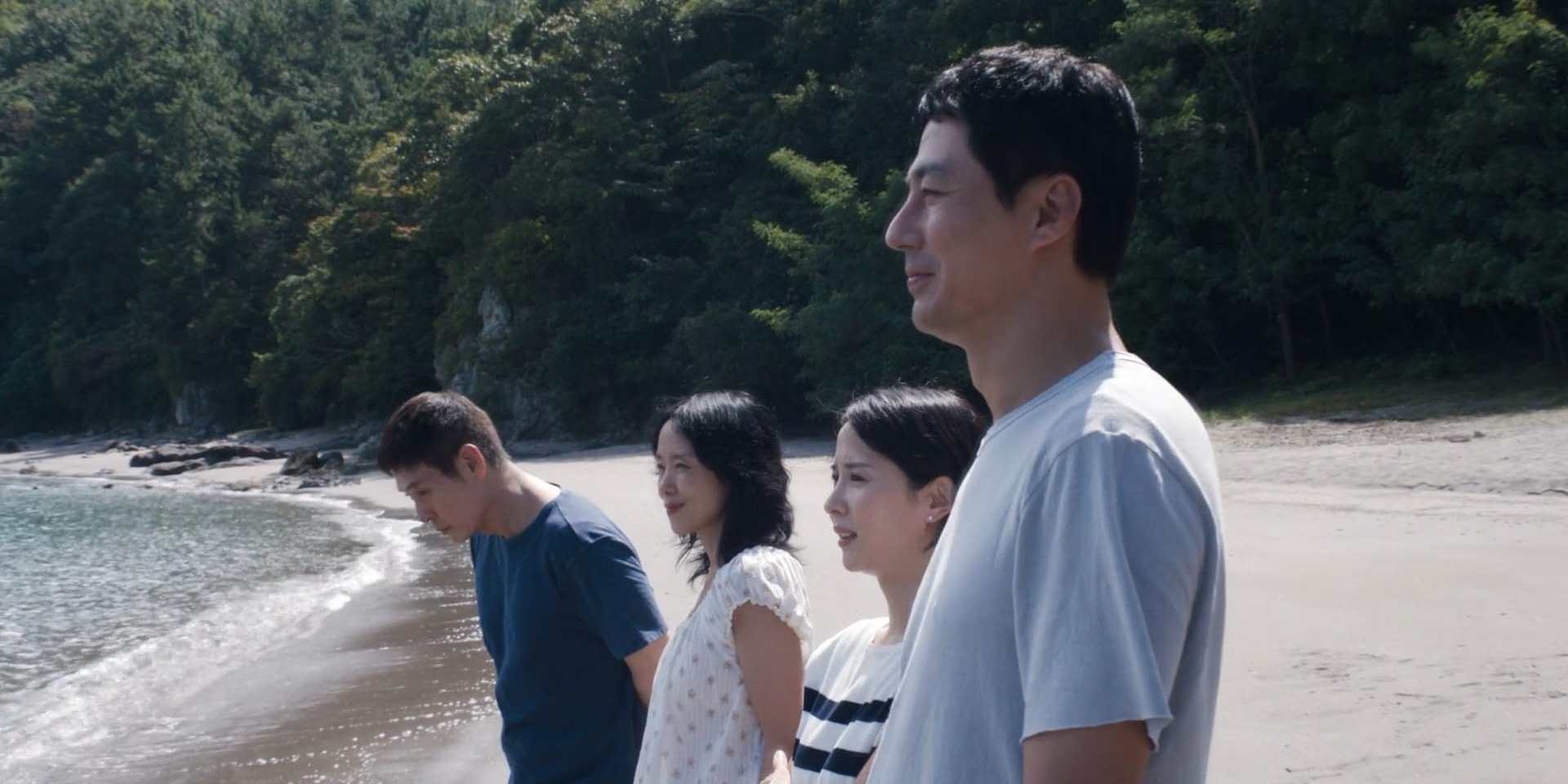
Another eight-year interval for Lee Chang-dong, another deftly written and beguiling slow-burn drama to go with it. After 2018's Burning, widely regarded as one of the best films of the 21st century and considered one of (if not the) best Korean films of all time, Chang-dong returns with Possible Love, which embarks on a slightly different yet not unique cinematic journey from the auteur. Where Burning provides haunting and disquieting introspection on the human condition, Possible Love provides a slow creep towards an inevitability that is obvious, but the path is unknown to us. Chang-dong's writing ability is in full display in this regard. The outcome is apparent, yet I was entirely transfixed by the interactions between the "core four" characters: Mi-ok (Jeon Do-yeon) and her husband Ho-seok (Sul Kyung-gu), and Ye-ji (Cho Yeo-jeong) with her husband Sang-woo (Zo In-sung). While the film was certainly overlong and rather meandering at times, there was still more than enough substance from Chang-dong to make for another enigmatic and entrancing experience.
The most glaringly obvious theme at play in Chang-dong's sweeping drama is the socio-economic status of its subjects. Pitting Mi-ok and Ho-seok, the latter of whom was just laid off from a large automaker, against the exceedingly wealthy Ye-ji and Sang-woo, is terribly heavy-handed. There's evident dialogue and production design, Ye-ji's awfully expensive clothing that surprises Mi-ok, that buoys this "conflict" to the top of its cinematic waters. But it is a real disservice to Chang-dong to think that the surface-level ideas of Possible Love are all it has to offer.
Opening the film with the violent crackdown on the autoworker union's strike, pushing back against the firm's cuts, leading to an injury to Ho-seok along with the death of fellow workers, is not mere machinations of the couple's bank account balance. Nor is Mi-ok getting into a fight with Ho-seok about his drinking while they both attend the funeral of an autoworker who committed suicide. All of these seemingly heavy-handed tidbits fit together into Chang-dong's classic mosaic building structure, which, quite frankly, draws comparisons to Nathan Fielder and Lance Oppenheim's You Can See Everything.
Ye-ji is a documentarian and, after seeing Mi-ok and Ho-seok's interaction, decides to make her next film about the couple, the layoffs, and the strike. Possible Love spends most of its time constructing the interweaving relationships between these characters, yielding a little more mystery. Mi-ok and Sang-woo have some palpable sexual tension, Ye-ji and Mi-ok develop a sort of sisterly friendship, while Ho-seok and Sang-woo are in some sort of invisible contest for control and dominant masculinity. Chang-dong's ability to write, feverishly, might I add, all of these little interactions is simply astounding. And for such a lengthy film, there's little to no space; it's almost entirely dialogue that is central to expounding these relationships.
Over time, the water begins to muddy. How exactly is Ye-ji putting together this film, and who is the subject? Ho-meok is distraught, suffering from PTSD from the incident, and reeling from internal comparisons to his ability to provide for his family while Sang-woo glides around, making mysterious deals worth exorbitant amounts of money. Chang-dong's penchant for casual unease permeates throughout Possible Love, not in the same way as Burning, but as a leering discomfort of the couples' entanglement. Who exactly is taking advantage of who in this situation?
Even if I found myself wanting more from the finale, it was terribly predictable; I found the journey there to be exceedingly scrumptious. You basically have a stunning five-course meal, and even if the dessert isn't what you dreamt of, you can't stop thinking about that amuse-bouche. Which is exactly what I admire about Chang-dong, along with co-writer Jungmi Oh's screenplay. Its pacing may be tepid at times, making an already long movie feel even longer, but there wasn't a single moment of dialogue that I wasn't attached to. It all felt incredibly human, in all of its flaws, subtle power moves, plays for attention or cries for help, and delivered wholeheartedly some incredibly poignant statements about how wealth (or lack thereof) can infect behavior. Leading to questions of commitment and, well, the possibility of love.
Froth
Well if we're talking about five-course meals we may as well at least have the soup of the day. Ravenna Brewing is our terrific provider of such a thing with their Soup du Jour IPA. It's got a crispy gold appearance that on a colder near-winter day like today, makes it outrageously appealing. There's some wonderful citrusy aromatics that are upfront and set the stage for a smooth resinous taste filled with stone-fruit and a touch of grapefruit and lemon bitterness. Overall it does have a decently bitter finish, subdued slightly from its more citrusy elements and piney resin, but it drinks like a classic IPA. With a 6.3% ABV it feels like a classic IPA too.