


From CCFF ’26 – Leviticus

Film
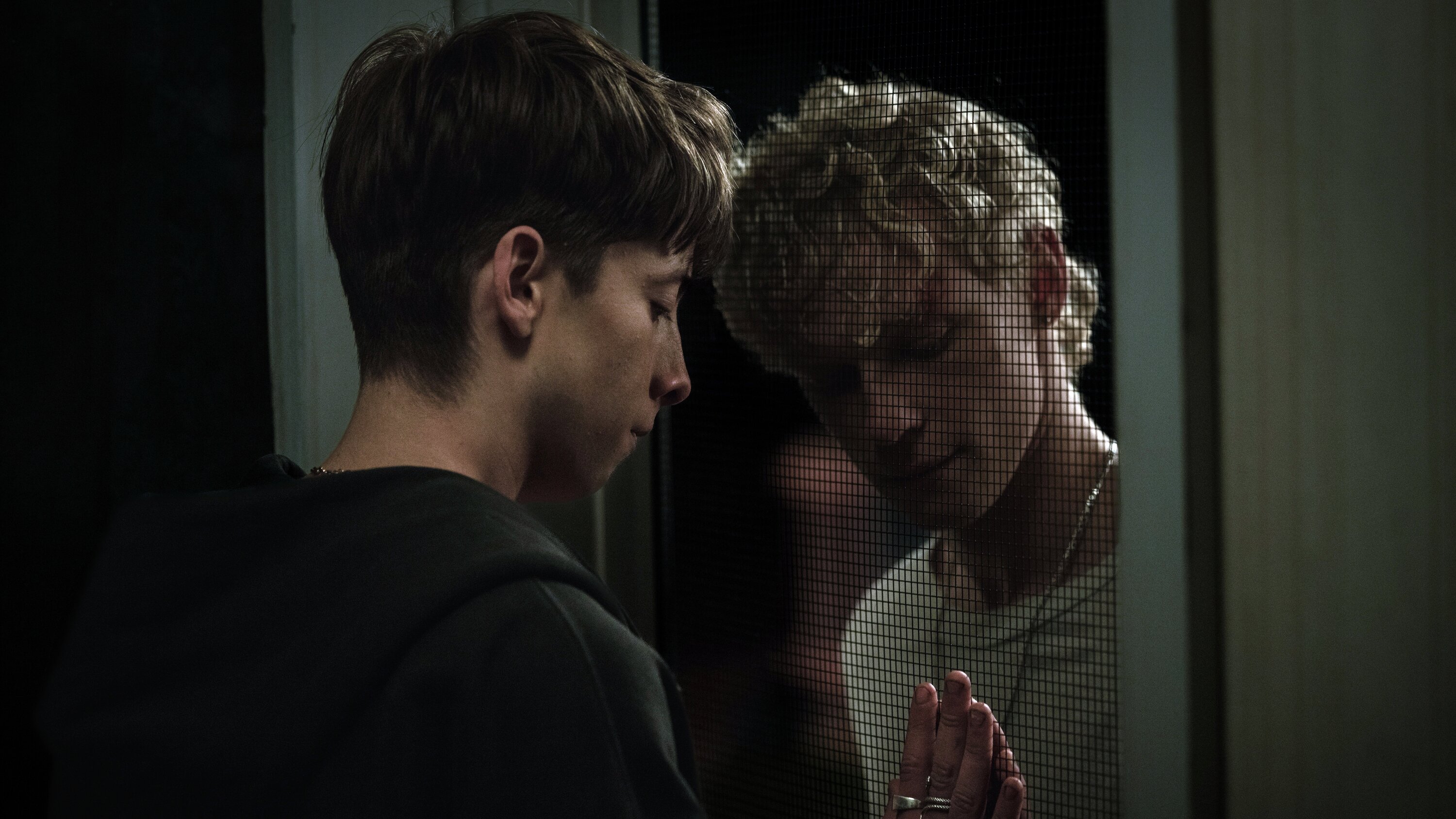
Two teenage boys must escape a violent entity that takes the form of the person they desire the most – each other.
When the schedule for this year's Chicago Critics Film Festival was announced, Leviticus, which was slotted into the Saturday night midnight spot (traditionally reserved for a can't-miss, soon-to-be-released horror movie), had my attention. But then after reading the one-sentence premise, it immediately my interest and demanded my attention. The film is descibed as a coming-of-age romantic supernatural horror film – which, I could be mistaken – isn't a niche sub-genre I've had much exposure to. Unlike some of the horror films slated for this year, Leviticus can't be described as necessarily 'a fun time at the movies.' The film, written and directed by Austrailian filmmaker Adrian Chiarella, uses its supernatural elements metaphorically as a way for exploring some heavy themes, including religious traumas, conversion therapy, and repressed desire. When you spell it all out like that, it sounds even more dour than it is – fans of the horror genre will still find a lot to like here, including the psychological tension and supernaturalisitic elements.
I'm not going to use my three minutes of your time walking through what happens – I'll be taking this opportunity to place the bait, toss the line, and let you decide whether you want to set the hook. All you really need to know to get started is that Leviticus takes place in a devout evangelical Christian town in Victoria, Austrailia, where two local teenagers, Naim (Joe Bird) and Ryan (Stacy Clausen), begin a secret romance. It's worth mentioning now that the title refers to the Book of Leviticus, a book in the Bible often cited by religious conservatives as evidence of divine prohibition of homosexuality. Obviously but importantly, queer romance in this town isn't nonexistent, just completely unspoken. In cases where it is witnessed or reported, a "deliverance healer" is enlisted to help these individuals purge their homosexuality. Soon after, a malevolent shape-shifting entity begins showing up, taking the form of the person its victim desires most. It's explained that the entity is invisible to others, only appears when the victim is alone, it grows stronger over time, and there is no way to stop it. If I stopped right there and you're someone who is into this kind of movie, I'd be surprised if you didn't check this out.
In terms of setting up a high-concept premise for a horror movie, you can't do much better than that, right? Each teenager will see the entity taking the form of whichever boy the other is trying to escape – the set-up is so tidy and elegant, it's hard to imagine this not working. And for the most part, Leviticus does a good job of exploring how things might play out based on this scenario. That said, the film's second half does not live up to the promise of its first half, and I was disappointed that such a rock-solid thematic base was not enough to support the entire story. There isn't much subtlety in Leviticus, which isn't necessarily a deal-breaker, but in this case, the film's messaging is overt to the point of being over-observed – I felt like the script was concerned its audience needed constant reminding of what the thinly-veiled metaphors meant. Despite the performances being solid overall, there isn't much interiority to these characters – Naim and Ryan spend most of their time on screen either being chased, doing the chasing, being scared, or doing the scaring (bad grammar but you know what I'm getting at). And maybe my last critique is unfair, but I couldn't shake the feeling that this was just a tad too derivative of It Follows, another supernatural horror film that has a genius setup but manages to infuse its metaphor into the screenplay without over-annunciating its intentions.
Despite some of the unevenness, Leviticus does a good job of sticking its landing. Without delving into it, the film bravely commits to a haunting-but-honest ending, the kind of choice that is hard to pull off but is comendable when done well. There's an absolutely perfect needle drop that accompanies what feels like the film's last shot – but admirably, the actual final shot will catch you off guard, make you gasp, and leave you feeling a certain way while the credits roll. It may sound bit stupid and over-reactionary, but that's the kind of choice that can make or break a movie, and Leviticus nailed it's lasting image.


![It Would Be Night in Caracas - SIFF [2026]](https://images.ctfassets.net/f4exvld7r7c2/5ktcPKILpgJTxbnLk1E2r2/825958723d582a6a959dba15442df3b7/ItWouldBeNightInCaracas_KeyArt.jpeg?w=400&h=200&fl=progressive&q=50&fm=jpg)


![Lady - SIFF [2026]](https://images.ctfassets.net/f4exvld7r7c2/5F8wGEQRPR6X5OGYEqFe2r/697a305349bb729092adca4e6100c202/Lady_KeyArt_Large.jpeg?w=600&h=300&fl=progressive&q=50&fm=jpg)

![Lady - SIFF [2026]](https://images.ctfassets.net/f4exvld7r7c2/dW0A5C8ZA5fBJKoQRhvgi/d6d9069f2e751495abab3eb9de01afc5/Fifteen_KeyArt.JPG?w=400&h=200&fl=progressive&q=50&fm=jpg)