


Peaky Blinders: The Immortal Man

Film
After his estranged son gets embroiled in a Nazi plot, self-exiled gangster Tommy Shelby must return to Birmingham to save his family – and his nation.
Set a few years after the series finale, Peaky Blinders: The Immortal Man is a better idea for a movie than it is as an actual movie. A post-series story that follows one Tommy Shelby (played by Oscar-winner Cillian Murhphy in one of his first primetime post-Oppenheimer leading roles), the former leader of the notorious Peaky f*cking Blinders, a king without a crown who lost everything he ever built and everyone he ever cared about, is kind of a no-brainer. What's frustrating is that the can immediately see the movie it wanted to be – a quieter, more reflective final chapter about a man reckoning with the consequences of the many regrettable and unforgivable decisions he's made over the course of his life. Instead, The Immortal Man feels like an elevator pitch, a kernel of an idea that is never fully popped or fleshed out.
Peaky Blinders became a genuine hit and a massive global streaming success for Netflix, who acquired the show early, platformed it, and grew it into one of its signature properties. The show ended in 2022 after six seasons, when it seemed to just run out of gas. One reason for this could certainly be due to the passing of the great Helen McCrory (who played Polly Gray), tragically died of breast cancer in April 2021 at the age of 52 – the storyline for season 6 had to be altered and certain parts were reshot. Another reason for some of the criticism drawn from its final season was a microcosm of the ever-present tension between audience expectations and artistic evolution. Many viewers wanted the series to do what it does best, to the point of being somewhat repetitive rather than pushing the story forward in more meaningful ways. This core critique could also certainly be applied to the movie, which appears to be an epilogue but is really more of 'greatest hits' retread.
In The Immortal Man, all the basic basic but essential elements are there: Tommy Shelby is back in the fold, some old enemies return, some new threats emerge, and the story interrogates familiar but imperishable notions of power, loyalty, and betrayal. So what's the problem then? Well, a bunch of strung together ideas is not the same thing as having a story, and the film kind of moves through the motions because "that's what a Peaky Blinders film should look and feel like," rather than earning each new development of making good on past promises.
Spoiler aplenty
Set during the Birmingham Blitz, The Immortal Man finds a reclusive Tommy Shelby pulled back into the world he abandoned when his son Duke (Barry Keoghan) becomes entangled with a Nazi plot to flood Britain with counterfeit currency through the Peaky Blinders' criminal network. After being approached by Kaulo Chiriklo (Rebecca Ferguson), the twin sister of Zelda, Tommy's former flame and Duke's late mother, Tommy returns to Birmingham to confront and repent – to help clean up his son's mess, to face the truth behind Arthur's death, and to stare down the legacy he has tried to run away from. As Duke's ambitions collide with the Shelbys' past sins, and the threat of a rising facist power takes hold thanks to John Beckett (Tim Roth), the story is ultimately about what it means for Tommy, a ruthless but still relatable tyrant who has chased and prioritized power above all else, to truly reckon with what it costs to keep that power.
Written by the creator and showrunner, Steven Knight, The Immortal Man doesn't have the steady pacing or calculate patience that made the show such a success. The storytelling here is a bit clumsy and rushed, like there's almost too much to get through with not enough time on our hands – which is funny, because the narrative is pretty thin despite the script feeling kind of bloated. Major decisions happen because the plot needs them to happen. Character reveals happen suddenly if almost arbitrarily. Conflicts appear, disappear, and reappear in ways that make the stakes feel nearly weightless. Take the out-of-nowhere death of Arthur Shelby (Paul Anderson), which happens more or less off screen and in complete remove from the spirit of the show – choices like this not only feel out of place but somewhat of a betrayal of two characters' delicate but undeniable bond. I suppose it's easy to be so hard on how things play out in the film, especially because the series' writing was so consistently strong and deliberate.
Maybe some of the choppiness and unevenness is due to mishandled direction from Tom Harper, who is maybe best known for his work on BBC's War & Peace. While he did direct a few episodes of Peaky Blinders in the back-half of Season 1, he doesn't seem to have enough of a grip (or perhaps too much of a grip) of this material, and he relies on the series' iconography and for lack of a better word, "vibes," to carry this story's weight. Visually, the film looks like a streaming movie, which I can't say is really a compliment, and while I don't want to be rude, it seems like Netflix spent top-dollar on the acting talent and left little for the below-the-line craftspeople. And while I really don't want to be really rude, you might call this... well, what's a cash grab for streaming? A streaming grab? This kind of feels like a movie that a lot of people will turn on, most of whom will give it the benefit of the doubt and push through to the end, like it's the long-winded series finale of a show they feel like they've invested too much time in to not finish.
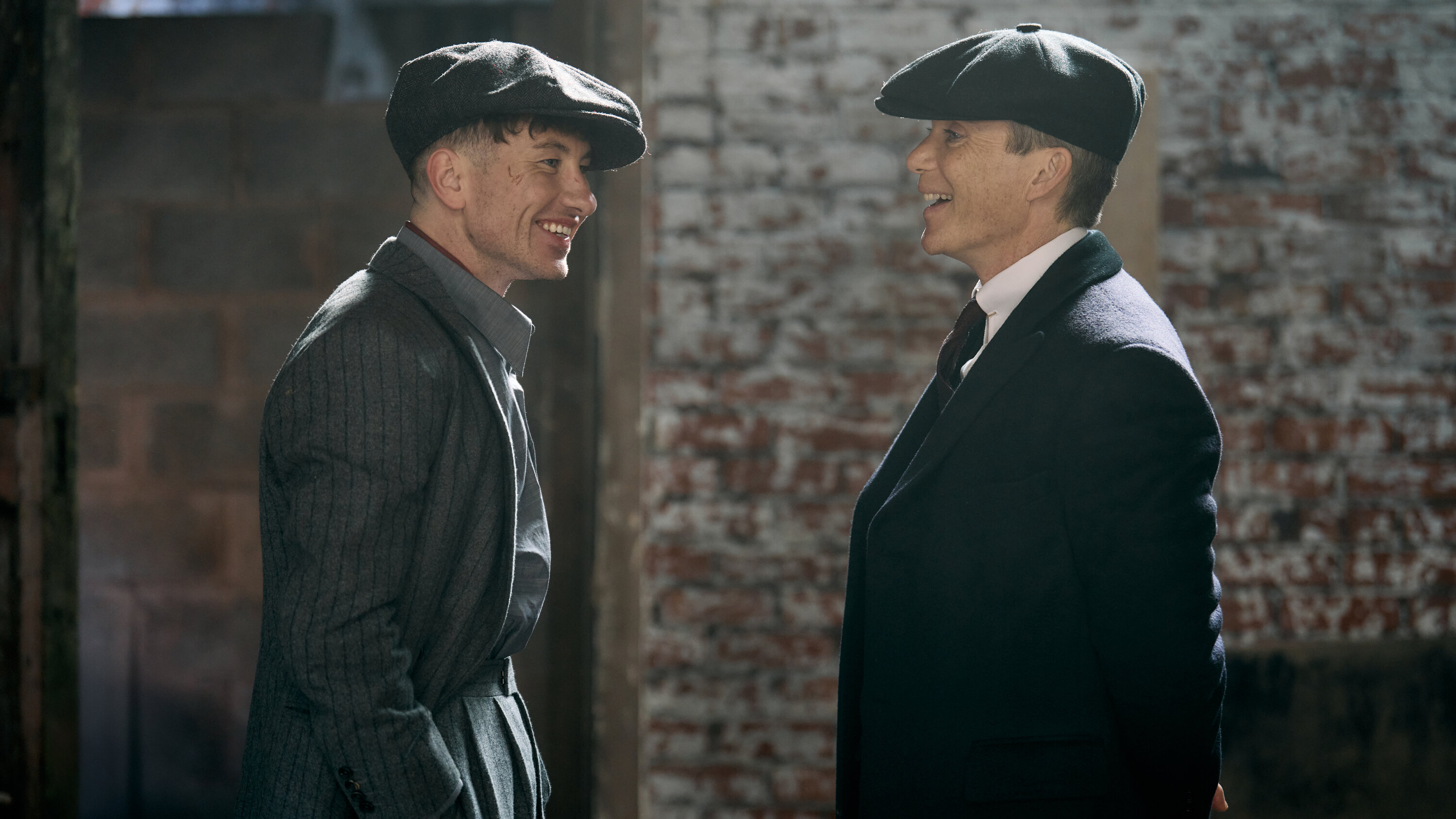
The problem here isn't that we needed more, it's that we needed less, in a way. Listen, it was kind of fun to see Keoghan rock the newsboy cap, to see Ferguson lend her talents to a part where she is playing a Romany medium, and to get to spend just a little more time with Murphy as Tommy Shelby – but I think instead of more expository hoopla and raise-the-stakes story escalation, what I was craving was something smaller and simpler, a movie that really sat with Tommy and looked his guilt in the eye in a more subtle but meaningful way. It was disappointing to feel the film settle for less and return to what felt familiar.
Peaky Blinders: The Immortal Man is trying to recreate the feeling of Peaky Blinders instead of actually building one. Rather than asking the question, "Wouldn't it be fun to see Tommy Shelby again?", I would've preferred the creators behind the movie to ask themselves a more important question: "What is there left to say about Tommy Shelby?" This wasn't a disaster, but I was pretty disappointed, and I can't help but be frustrated thinking there had to be a more interesting and better way to put the same pieces together differently.


